Digital Transformation for Mongolia's Mining Operations
Turn fragmented processes, operational data, and technology investments into a practical digital transformation roadmap designed around real mining conditions in Mongolia.
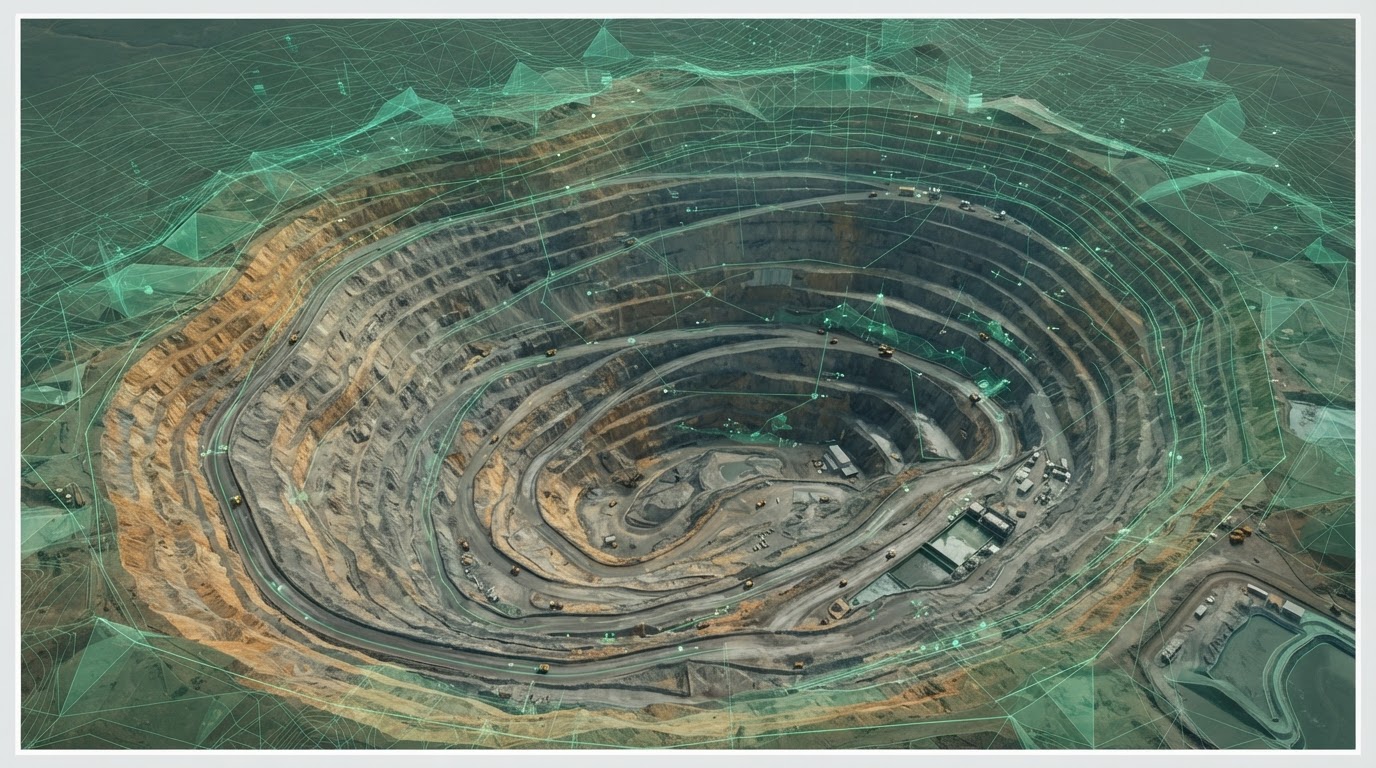
Digitalisation Is Not About Buying More Technology
Many mining organisations introduce isolated software, sensors, fleet systems, dashboards, or reporting tools without first defining the operational problem, information architecture, integration requirements, or implementation priorities.
Disconnected Mine Data
Operational, geological, and management data exist in separate systems with no unified view.
Manual and Delayed Reporting
Critical production, safety, and equipment reports compiled manually, hours or days after events.
Legacy Operational Processes
Established workflows built around paper, spreadsheets, and verbal communication resist change.
Technology Without Integration
Multiple software and hardware systems operate independently without data exchange.
Remote Site Connectivity Constraints
Geographically isolated operations with limited or unreliable communications infrastructure.
Contractor and Third-Party Data Silos
Owner, operator, and contractor data remain disconnected across organisational boundaries.
Limited Real-Time Operational Visibility
Management decisions based on delayed, aggregated, or incomplete operational information.
Workforce and Change-Management Gaps
Insufficient training, adoption frameworks, and organisational readiness for digital tools.
The challenge is not the availability of technology. The challenge is deciding what to digitalise first, how systems should connect, and where investment creates measurable operational value.
Four-Stage Digital Transformation Framework
Click each stage below to explore the journey from initial assessment to implementation supervision.
Digital Readiness Assessment
Assess the current state of the mining organisation across people, processes, data, technology, and infrastructure.
Start a Readiness Assessment
Assess the current state of the mining organisation across people, processes, data, technology, and infrastructure.
- People and organisational capability
- Mining and operational processes
- Data availability and quality
- Existing software and systems
- Digital infrastructure and connectivity
- Reporting and decision-making workflows
- Cyber and information-management considerations
- Mine, plant, maintenance, logistics, and contractor interfaces
Start a Readiness Assessment
Digital Mining Opportunity Areas
Integrated Mine Data
Connect technical and operational information into structured decision workflows.
Operational Dashboards
Convert critical mining KPIs into management-level operational visibility.
Predictive Maintenance
Assess data and process requirements for condition-based and predictive maintenance.
Fleet and Equipment Intelligence
Improve the use of fleet, utilisation, delay, and equipment performance information.
Environmental Monitoring
Integrate weather and environmental monitoring information into operational reporting.
Remote Operations
Assess digital workflows suitable for geographically remote Mongolian operations.
Digital Technical Data
Improve the management of geological, geotechnical, surveying, GIS, and engineering datasets.
AI Readiness
Identify where AI and advanced analytics can create operational value and where the organisation is not yet data-ready.
Contractor Data Integration
Develop common reporting and information interfaces across owners, operators, and contractors.
Digital Due Diligence
Evaluate digital systems, data maturity, and technology risks for mining projects and investment decisions.
From Manual Reporting to Operational Visibility
How a mid-sized Mongolian mining operation moved from fragmented, delayed reporting to integrated, shift-level operational visibility.
12–24 hrs → within shift
Report Availability
Consolidated operational data delivered to management within the same shift.
-65%
Manual Report Compilation Time
Supervisor time spent compiling shift reports reduced by approximately two-thirds.
3 → 1
Reporting Systems Consolidated
Production, equipment, and contractor data unified into a single daily operational report.
Shift production, equipment, and safety data were compiled manually by supervisors at end of each shift. Reports reached mine management 12 to 24 hours after operations, delaying decisions on equipment availability, delay causes, and production recovery. Maintenance schedules followed fixed intervals rather than equipment condition, and contractor production data remained in separate reporting formats.
Mine management received consolidated operational data within the same shift rather than the following day. Equipment delay causes became visible within hours, enabling same-shift corrective action. Contractor production data was integrated into the daily operational report, reducing reconciliation time and improving accountability across organisational boundaries.
Operation Profile
Operation Type
Open-pit copper and gold mine, Mongolia
Workforce
Approximately 480 personnel including contractors
Existing Systems
Fragmented spreadsheets, paper-based shift logs, isolated fleet and maintenance records
Engagement Duration
14 weeks — assessment, roadmap, and pilot implementation
Approach
- 01
Conducted a digital readiness assessment across people, processes, data, technology, and infrastructure.
- 02
Prioritised shift-level data integration as the highest-value, lowest-complexity starting point.
- 03
Designed a unified shift reporting workflow combining production, equipment, and safety data into a single daily operational view.
- 04
Defined integration requirements between fleet management, maintenance, and contractor reporting systems.
- 05
Piloted the integrated daily report with two operational teams before scaling across the site.
Anonymised and indicative. Specific operational details and figures have been generalised to preserve client confidentiality.
Estimate Your Operational Efficiency Gains
Enter your current mine production and manual reporting hours to see indicative efficiency gains from integrated digital operations.
Your Current Operation
Estimated Annual Gains
949 hrs
Reporting Hours Saved
Supervisor time freed annually through integrated shift reporting.
12–24 hrs → within shift
Decision Speed Improvement
Operational data reaches management within shift instead of next day.
100,000 t
Estimated Production Recovery
Tons potentially recovered through faster equipment delay response.
3 → 1
Systems Consolidated
Production, equipment, and contractor data unified into one daily report.
Indicative Estimate — Based on anonymised case study outcomes. Actual results vary by operation.
Mining Digital Readiness Check
Indicative Assessment — Not a formal technical audit
Answer 15 questions across five categories to receive an indicative digital readiness assessment for your mining operation.
Who This Service Is For
Mine Owners
Mining Operators
Project Developers
Mineral Processing Operations
Engineering and EPCM Teams
Mining Contractors
Investors and Lenders
State-Owned and Private Mining Companies
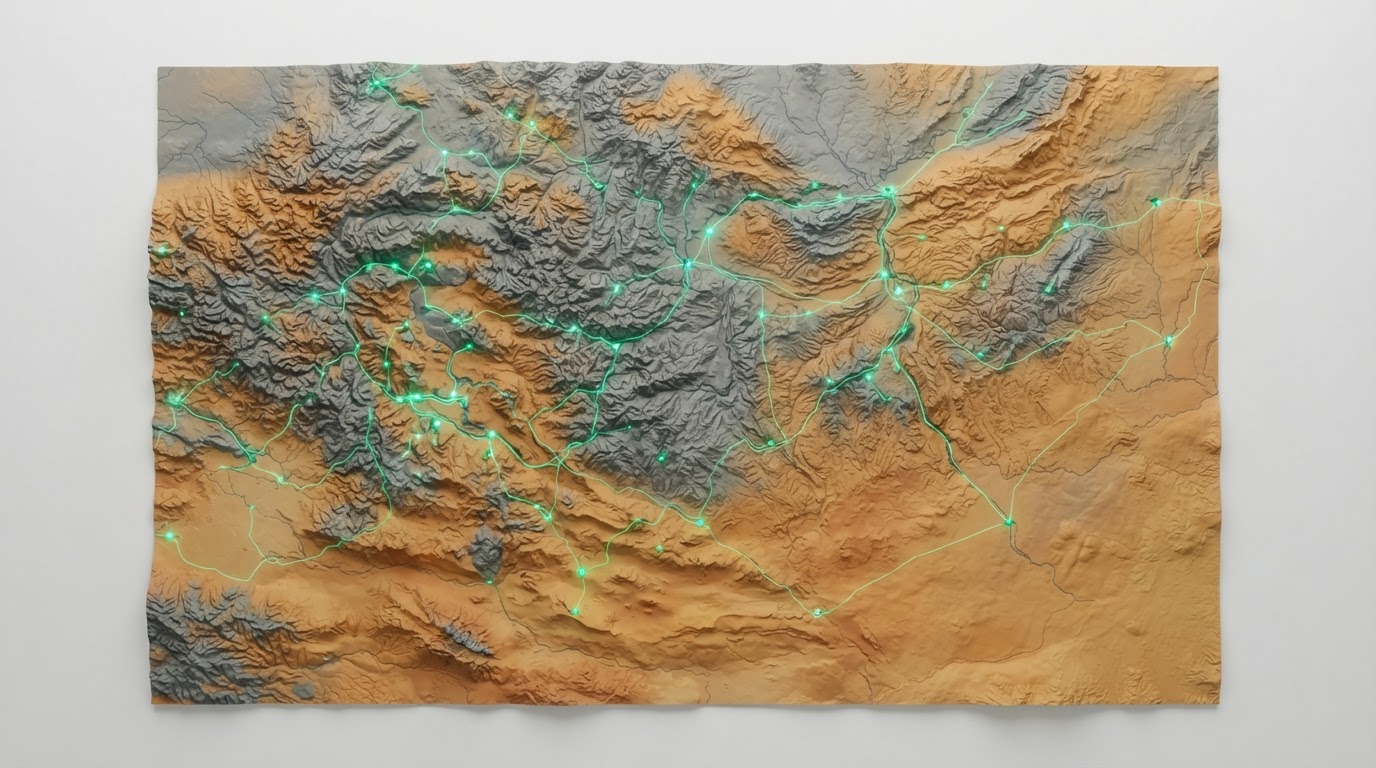
Digital Transformation Must Work at the Mine Site — Not Only in the Boardroom
Solutions must account for remote locations, site connectivity, climatic conditions, legacy systems, workforce capability, existing vendor ecosystems, operational continuity, and investment constraints. Mongolia's mining sector operates across vast distances in challenging environments where theoretical digital strategies fail without adaptation to field realities.
Engagement Models
Focused Digital Assessment
For a specific mine process, system, or operational problem.
Digital Transformation Roadmap
Organisation-wide or operation-wide readiness assessment and prioritised execution roadmap.
Digital Transformation Advisory
Ongoing independent technical advisory and implementation supervision.
Before Investing in More Technology, Understand What Your Operation Actually Needs
MTB Consults helps mining organisations assess their digital maturity, prioritise practical opportunities, and develop an implementation pathway aligned with operational and business objectives.